


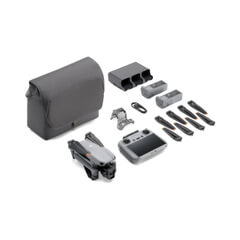
DJI Air 3 플라이 모어 콤보 (DJI RC 2 포함) (리퍼브 유닛)
옵션 선택
자세히 살펴보기

상호 보완적인 카메라 성능
1/1.3" CMOS 광각 카메라와 1/1.3" CMOS 미디엄 망원 카메라를 탑재해 일관적인 이미지 화질[1]을 제공하면서 다이내믹한 이미지를 표현할 수 있습니다.

최대 비행시간 46분
Air 3 비행시간은 48%[2] 향상되어 46분[3]을 자랑합니다. 배터리 충전 허브는 배터리 간 전하 축적[4] 기능을 지원하죠.

듀얼 카메라 48MP 사진
두 카메라 모두 사실적인 디테일을 가득 담은 48MP 사진 촬영이 가능해 훌륭한 이미지는 물론, 후편집에서 크로핑이 필요할 때도 요긴합니다.

4K/60fps HDR 동영상
두 카메라 모두 1/1.3" CMOS 센서를 탑재했으며, 듀얼 네이티브 ISO를 지원해 크로핑 없는 자연스럽고 풍부한 디테일의 4K/60fps HDR 촬영이 가능합니다.4K/60fps HDR videos without cropping, providing rich, natural-looking results.

전방위 장애물 감지
Air 3는 모든 방향에서 장애물을 감지[5]하며, APAS 5.0 기능으로 더 매끄럽게 장애물을 회피[6]하여 전반적으로 더 안전한 비행 경험을 제공합니다.

O4 HD 동영상 전송 시스템
차세대 O4 동영상 전송 시스템은 향상된 안정성, 최대 20km[7] 전송 범위, 최대 1080p/60fps 라이브 피드를 제공합니다.


구성품

DJI Air 3
× 1

DJI RC 2 조종기
× 1

DJI Air 3 인텔리전트 플라이트 배터리
× 3

DJI Air 3 저소음 프로펠러
× 6

DJI Air 3 짐벌 보호대
× 1

Type-C to Type-C 케이블
× 1

DJI Air 3 배터리 충전 허브
× 1

DJI 숄더 백
× 1


무엇이든 물어보세요.
DJI Air 2S와 비교했을 때, DJI Air 3의 주요 업그레이드는 무엇인가요?
DJI Air 3는 카메라 시스템, 동영상 전송 시스템, 비전 감지 시스템, 비행시간, 인텔리전트 기능을 개선했습니다. 자세한 내용은 다음과 같습니다.
1. 1/1.3” CMOS 24mm 광각 카메라 외에 1/1.3” CMOS 70mm 미디엄 망원 카메라 추가해 일관적인 이미지 화질을 제공하면서 다이내믹한 이미지를 표현할 수 있습니다.
2. 차세대 O4 HD 동영상 전송 시스템으로 동영상 전송 시스템을 업그레이드해 최대 20km 범위에서 FHD 동영상 전송이 가능할 뿐 아니라, 강화된 간섭 저항 사양으로 전송 안정성을 개선했습니다. 조종기는 최대 1080p/60fps 실시간 라이브 피드를 지원하며, 고속 프레임 속도로 매끄러운 시청 경험을 제공합니다.
3. 전방위 비전 감지 시스템을 탑재해 드론이 모든 방향에서 장애물을 감지할 수 있습니다. 장애물이 감지된 경우, 드론은 APAS 5.0 기능을 사용해 매끄러운 회피 동작을 진행하여 전반적으로 더 안전한 비행 경험을 제공하죠.
4. 최대 호버링 시간 42분 및 최대 비행시간 46분을 제공해 DJI Air 2S와 비교했을 때 각각 40% 및 48% 더 길어졌습니다. 덕분에 안심하고 창작에 집중할 수 있죠.
5. 웨이포인트 비행, 고급 RTH, 크루즈 컨트롤, QuickTransfer, 기타 인텔리전트 기능 등 다양한 기능을 지원해 창작 효율성이 좋아졌습니다.
* 광각 카메라 및 미디엄 망원 카메라는 조리개 사양이 다릅니다.
O3 동영상 전송 시스템과 비교했을 때, O4 동영상 전송 시스템은 어떤 점이 업그레이드되었나요?
- O4 동영상 전송 시스템: 완전히 새로운 하드웨어 솔루션 채택. 안테나 4개에서 6개로 기체 안테나 시스템 업그레이드 및 새로운 주파수 대역* 추가
- 통신 알고리즘 업그레이드: 최대 20km** 떨어진 거리에서 FHD 동영상 전송 지원, 더 강력한 간섭 저항 사양으로 도시와 같이 까다로운 환경에서 더 안정적인 전송 지원
- 조종기: 최대 1080p/60fps 실시간 라이브 피드 지원, 고속 프레임 속도로 매끄러운 시청 경험 제공
* 현지 법률과 규정에서 허용하는 국가 및 지역에서만 사용할 수 있습니다.
** FCC 기준, 간섭이 없는 탁 트인 야외 환경에서 측정한 값. 상기 데이터는 복귀 비행을 포함하지 않는 편도 비행의 최장 통신 범위입니다. 비행 중, 앱의 알림 메시지에 주의를 기울여 주세요.
DJI RC-N2와 비교했을 때, DJI RC 2의 주요 업그레이드는 무엇인가요? 어떤 모델을 선택해야 하죠?
DJI RC-N2 모델 사용 시, 스마트 폰을 연결해야 하고 DJI Fly 앱을 다운로드해야 합니다. DJI RC 2는 최대 700nit의 5.5” 1080p FHD 스크린을 탑재해 아웃도어 시청 경험이 더 좋아졌습니다. 또한, DJI Fly 앱이 이미 설치되어 있어, 스마트폰을 연결하지 않아도 전원을 켜면 바로 사용할 수 있어 창작에 좀 더 집중하고 효율적인 운영이 가능합니다.
DJI RC-N1 조종기와 비교했을 때, DJI RC-N2 조종기는 어떤 점이 업그레이드되었나요?
- 동영상 전송 솔루션 업그레이드 및 1T2R에서 2T2R로 안테나 시스템 업그레이드
- DJI Air 3와 함께 사용 시, O4 전송 시스템 사용
DJI RC와 비교했을 때, DJI RC 2의 주요 업그레이드는 무엇인가요?
- 프로세서 성능 향상으로 더 매끄러운 조작 지원
- 동영상 전송 솔루션 업그레이드 및 1T2R에서 2T4R로 안테나 시스템 업그레이드
- DJI Air 3와 함께 사용 시, O4 전송 시스템 사용
- DJI RC 2 내장 안테나 2개 및 외장 안테나 2개 탑재, 외장 안테나의 경우 각도 조정 가능해 동영상 전송 효과 향상
ActiveTrack 5.0 버전은 ActiveTrack 4.0 버전과 어떤 차이가 있나요?
ActiveTrack 5.0 기능은 8개 방향에서 피사체를 추적해 더 다양한 창작 가능성을 열어줍니다. 고급 피사체 인식 기술을 탑재해 ActiveTrack 5.0은 다중 비전 센서를 동시에 사용해 피사체를 인식하고 다른 물체로부터 분별하여 프레임에서 고정하죠. 사용자가 추적 각도를 매끄럽게 조정할 수 있어 좀 더 자연스러운 이미지를 담을 수 있습니다. 새로운 환경 및 피사체 감지 알고리즘 덕분에, DJI Air 3는 피사체 움직임과 환경 정보에 더 빨리 반응하고, 최적의 추적 경로를 미리 계획해 안정적이고 매끄러운 영상을 담을 수 있죠.
DJI Air 3는 세로 모드 촬영을 지원하나요?
광각 카메라 및 미디엄 망원 카메라 모두 세로 모드(9:16) 촬영을 지원하며, 최대 동영상 사양은 2.7K/60fps입니다.
DJI Air 3는 D-Log M 및 HLG 컬러 모드의 동영상 촬영을 지원하나요?
광각 카메라 및 미디엄 망원 카메라 모두 10-bit D-Log M 및 10-bit HLG 컬러 모드 동영상을 지원합니다. 10-bit D-Log M 모드는 후편집에서 더 유연한 컬러 그레이딩이 가능하며, 10-bit HLG 모드는 더 넓은 다이내믹 레인지(HDR 디스플레이 지원하는 장비 필수)로 영상을 미리 확인할 수 있죠.
아직 궁금증이 해결되지 않았다면? DJI 전문가의 도움을 받아보세요.
1. The wide-angle camera and 3x medium tele camera have different apertures.
2. Compared with DJI Air 2S.
3. Measured with DJI Air 3 flying at a constant speed of 28.8 kph in a windless environment at sea level, with APAS off, AirSense off, camera parameters set to 1080p/24fps, video mode off, and from 100% battery level until 0%. Data is for reference only. Always pay attention to reminders in the app during flight.
4. The power accumulation function can transfer the remaining power from multiple batteries to the battery with the highest remaining power. DO NOT connect the charger, connect external devices, or insert/remove any batteries when using this function.
5. DO NOT use the aircraft in severe weather conditions, including heavy wind exceeding 12 m/s, snow, rain, fog, hail, or lightning. DO NOT fly the aircraft 6,000 m (19,685 ft.) or higher above sea level. DO NOT fly the aircraft in environments where the temperature is below -10° C (14° F) or above 40° C (104° F). DO NOT take off from moving objects such as cars or boats. DO NOT fly close to reflective surfaces such as water or snow. Otherwise, the vision system may not work correctly. When the GNSS signal is weak, fly the aircraft in environments with good lighting and visibility. Low ambient light may cause the vision system to function abnormally. DO NOT fly near areas with magnetic or radio interference. Familiar magnetic or radio interference sources include Wi-Fi hotspots, routers, Bluetooth devices, high-voltage lines, large-scale power transmission stations, radar stations, mobile base stations, and broadcasting towers. Avoid sand entering the aircraft when taking off in desert or beach areas. Fly the aircraft in open areas away from crowds. Buildings, mountains, and trees may block the GNSS signal and affect the onboard compass.
6. The obstacle avoidance action should be set to Bypass in the app.
7. Measured in an outdoor, open environment, without interference, and with FCC compliance. The above data shows the farthest communication range for one-way, non-return flights. Always pay attention to reminders in the app during your flight.