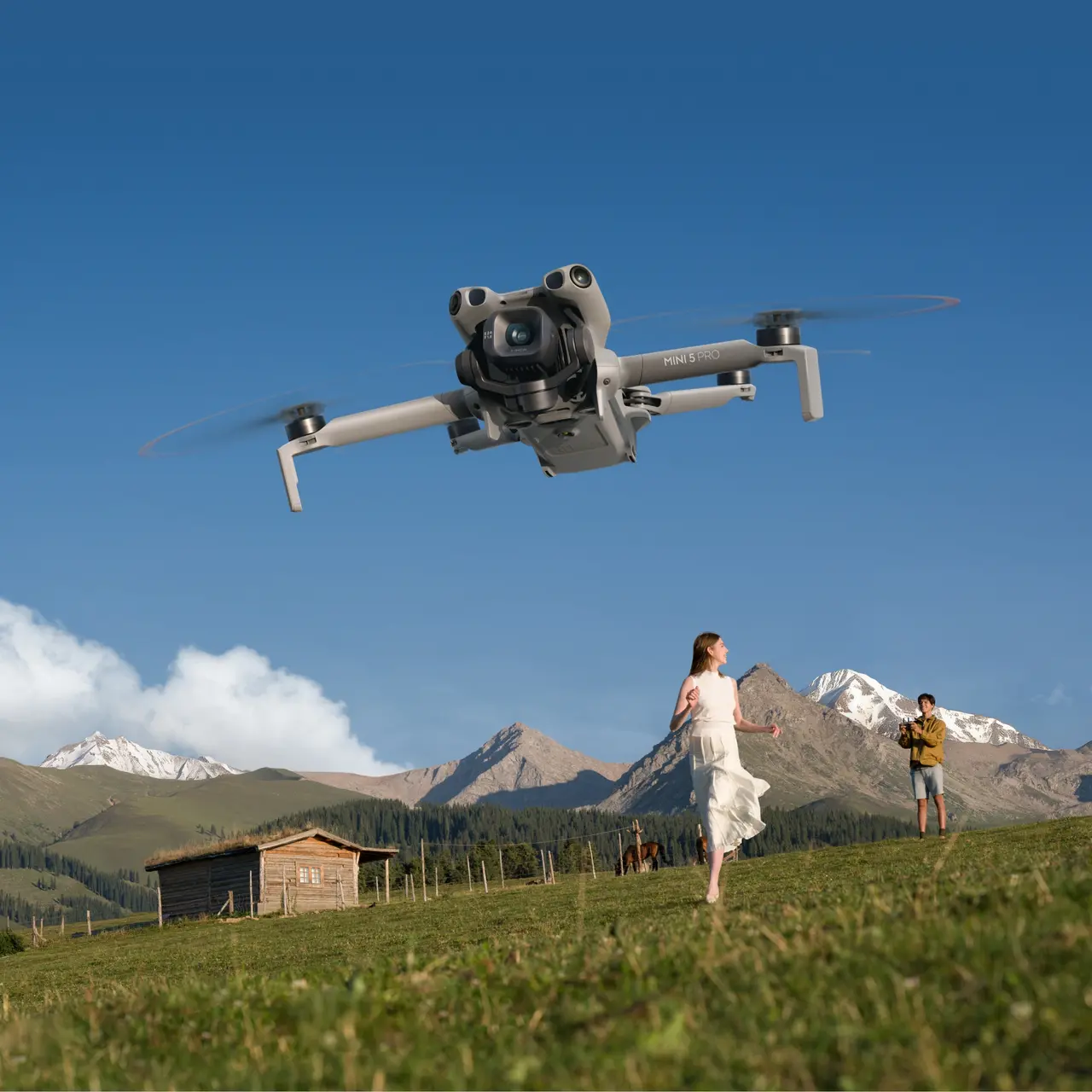


DJI Mini 5 Pro
Select Option
Take a Closer Look
1-Inch Large CMOS Camera
With a 50MP 1-inch CMOS sensor and f/1.8 aperture, Mini 5 Pro captures rich details and clean low-light shots. Compact in size, it delivers pro-level imaging.
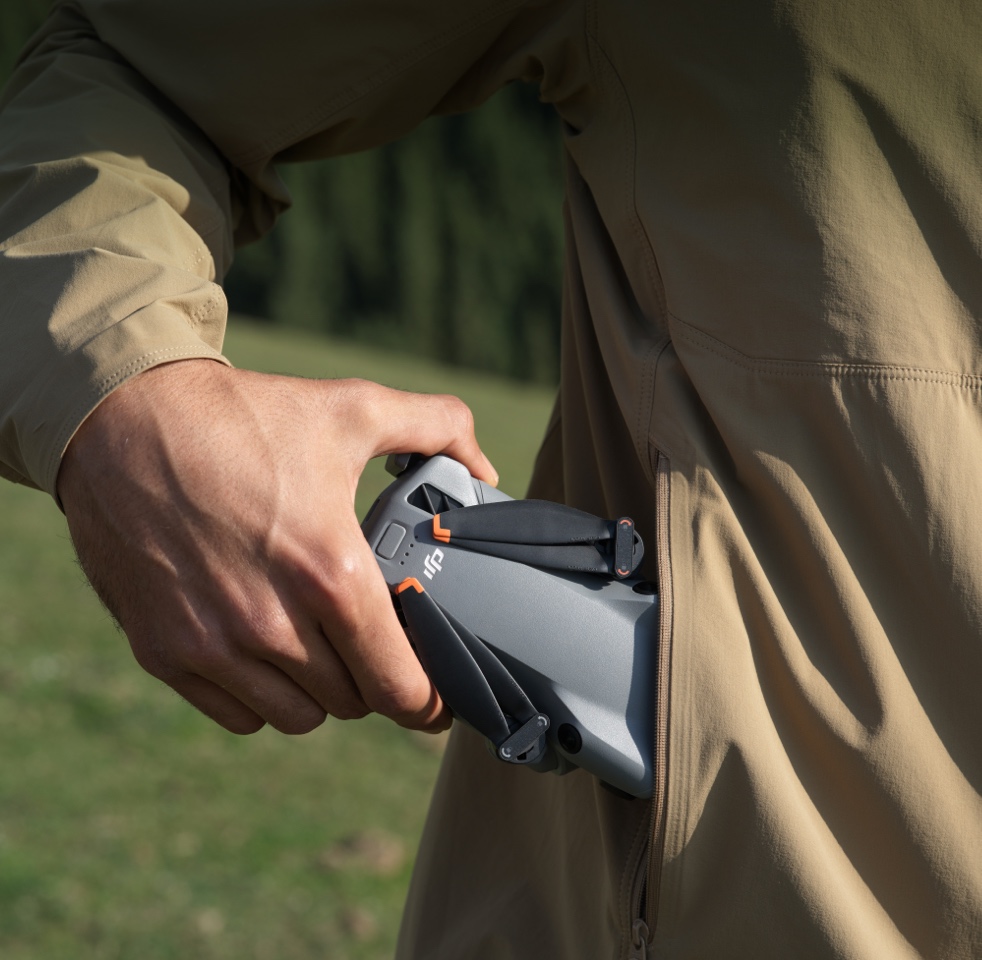
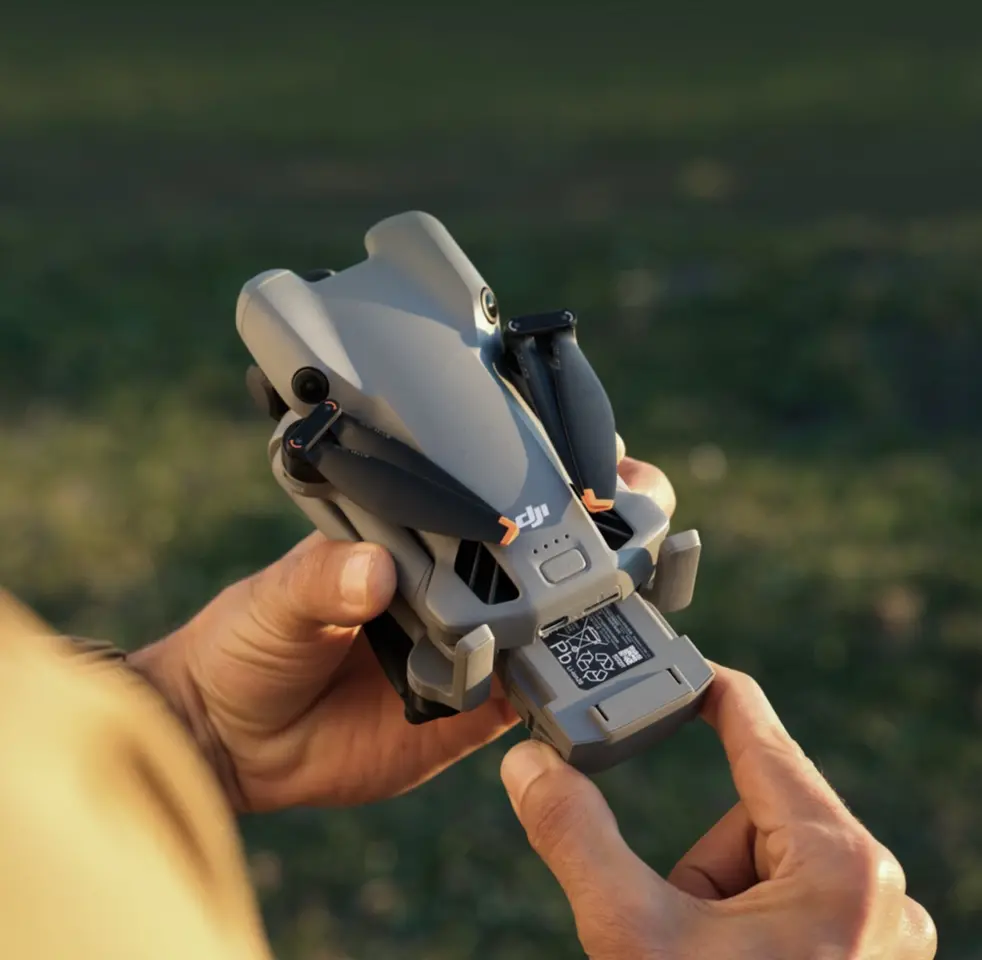
Go Big with Mini
Mini 5 Pro features an ultra-light, palm-sized foldable design that slips easily into a backpack, with 42GB internal storage for uninterrupted flight enjoyment [1].
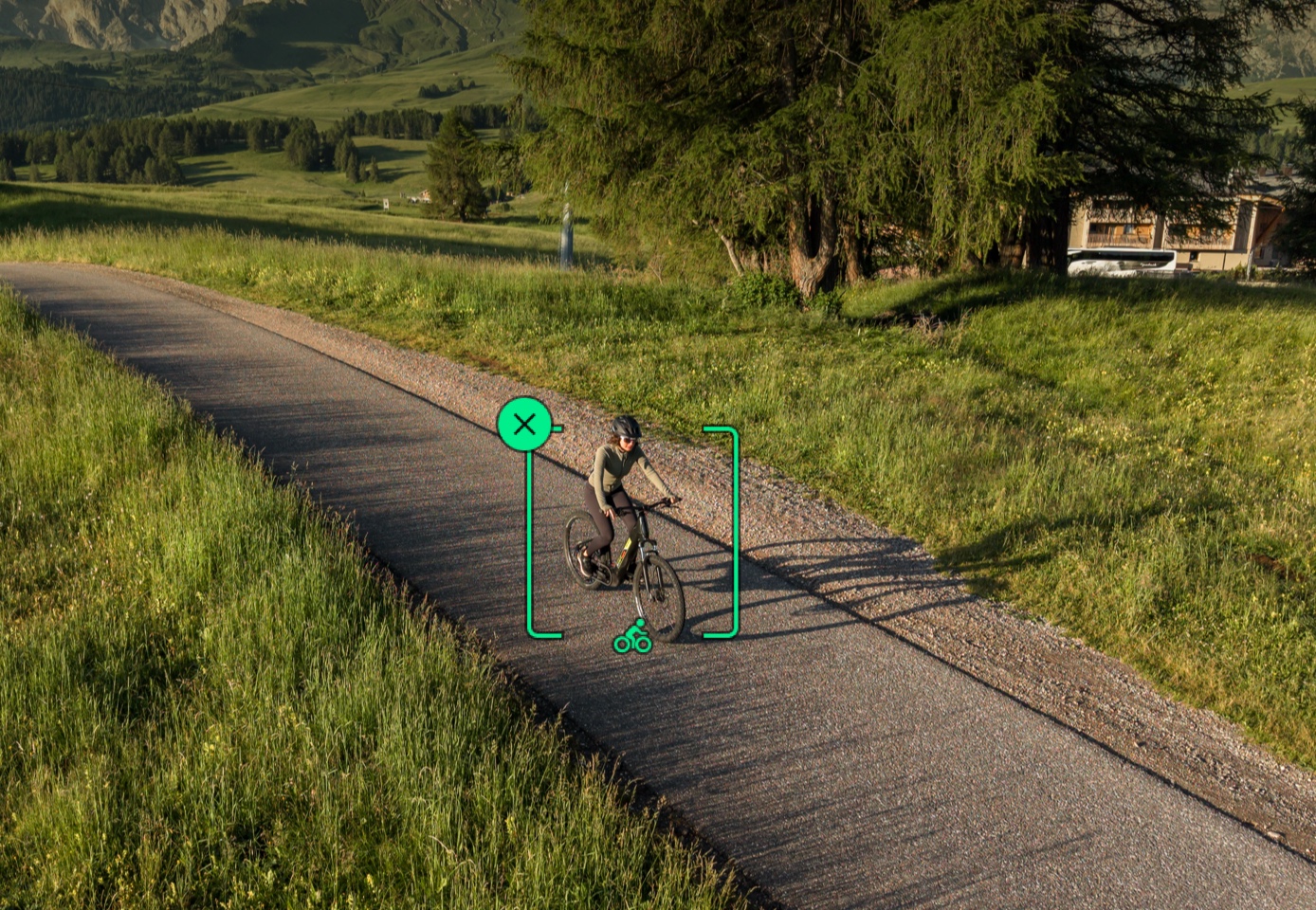
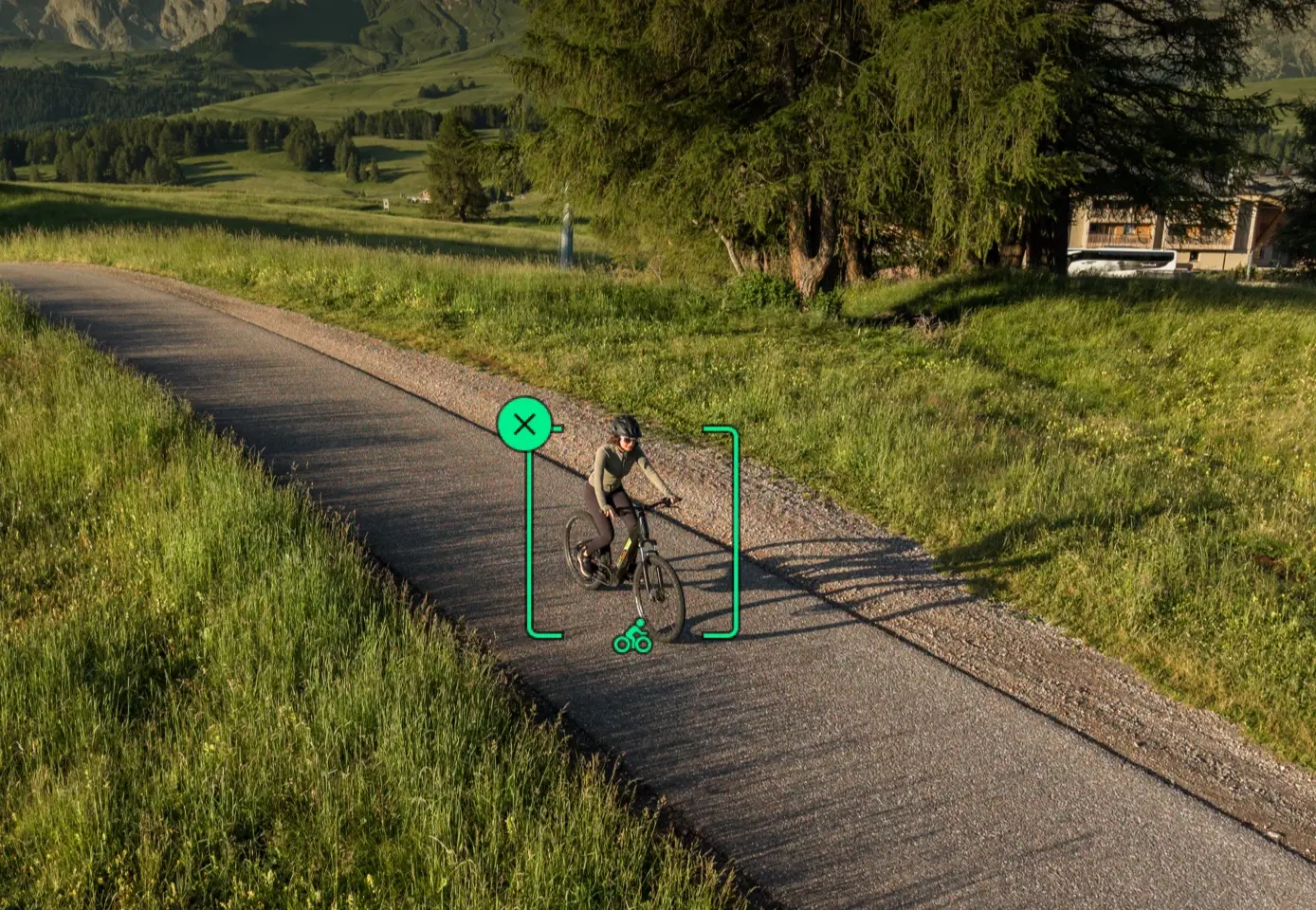
Upgraded ActiveTrack 360° [2]
Mini 5 Pro detects sports scenes and auto-selects Cycling or Standard mode for optimal framing, with improved tracking that balances speed, agility, and safety.
225° Gimbal Rotation for Dynamic Camera Movement
With 225° roll rotation, Mini 5 Pro lets you capture dynamic shots from fresh angles. QuickShot Rotate, Timelapse, Spotlight, and Waypoint turn ideas into cinematic footage with ease.
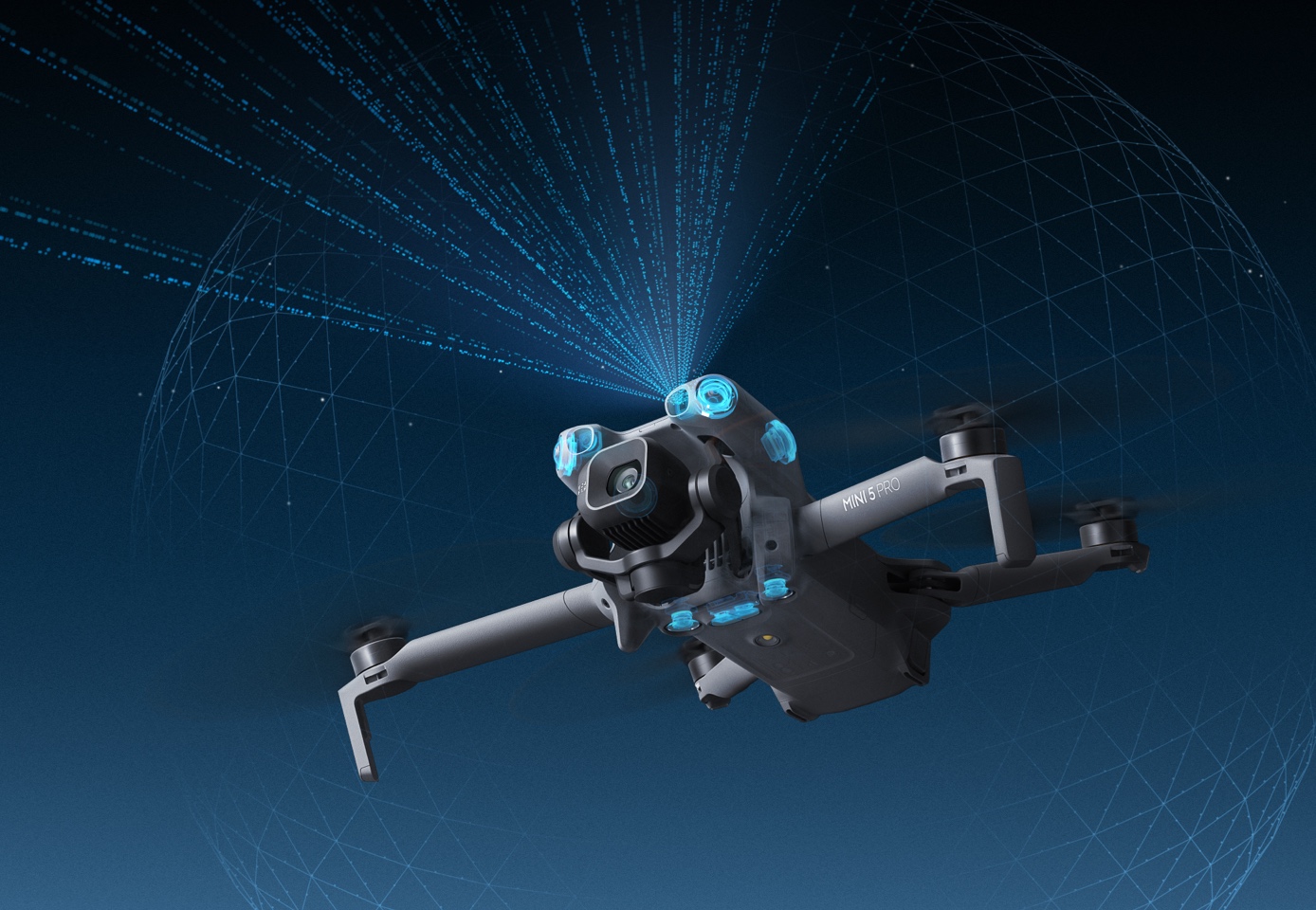
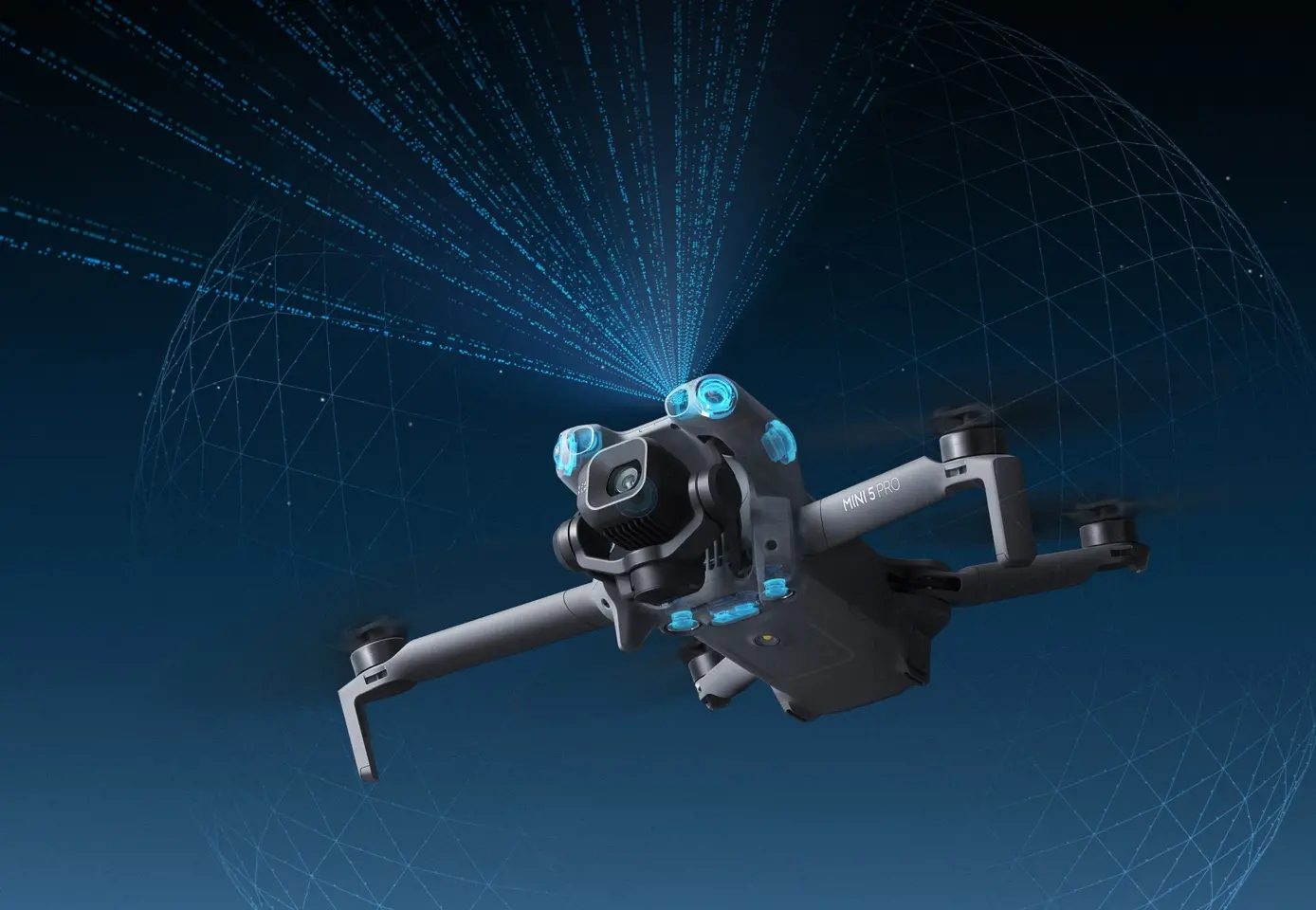
Nightscape Omnidirectional Obstacle Sensing [3]
It features a forward-facing LiDAR and multiple vision sensors for omnidirectional obstacle sensing, even at night.
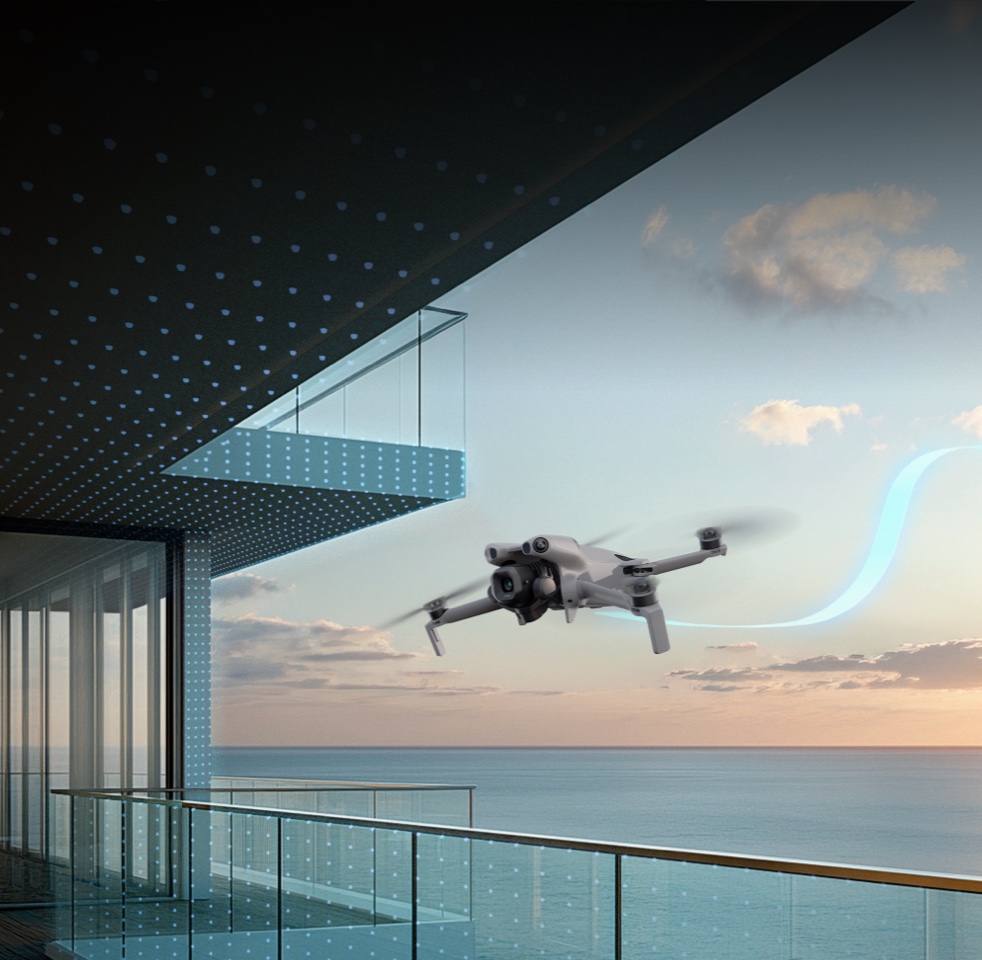
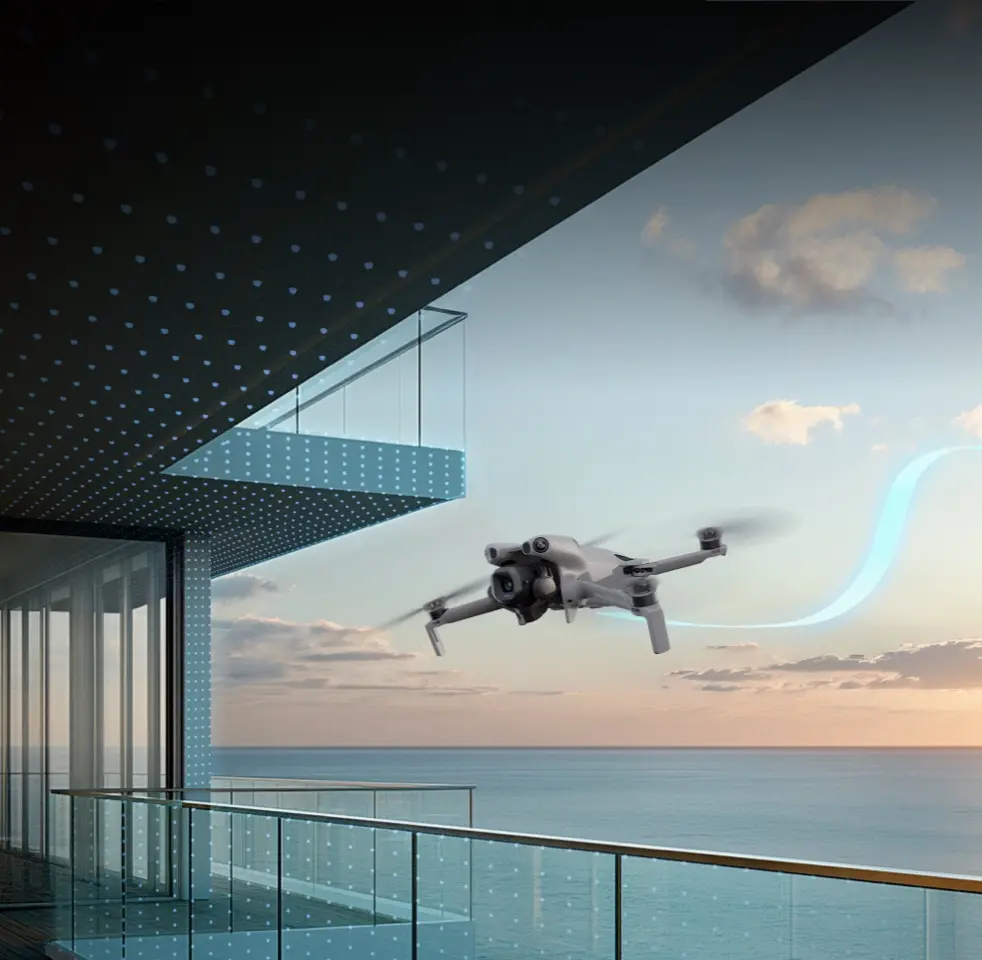
Next-Gen Smart RTH for Safe Returns
With sufficient light, it can memorize flight routes [4], enabling safe takeoff and return even without satellite signal.
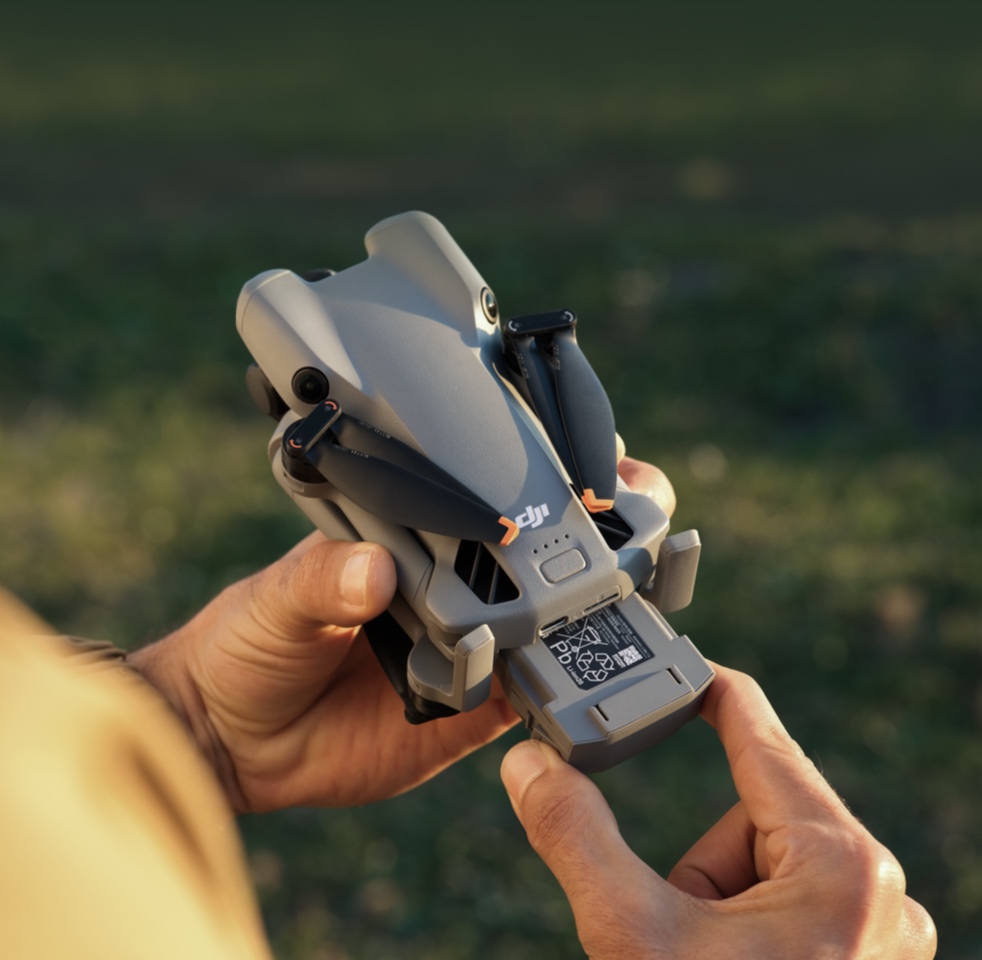
Extended Battery Life
The Intelligent Flight Battery provides 36 minutes of flight time [5], while the Intelligent Flight Battery Plus [6] offers 52 minutes [7] for extended creativity.
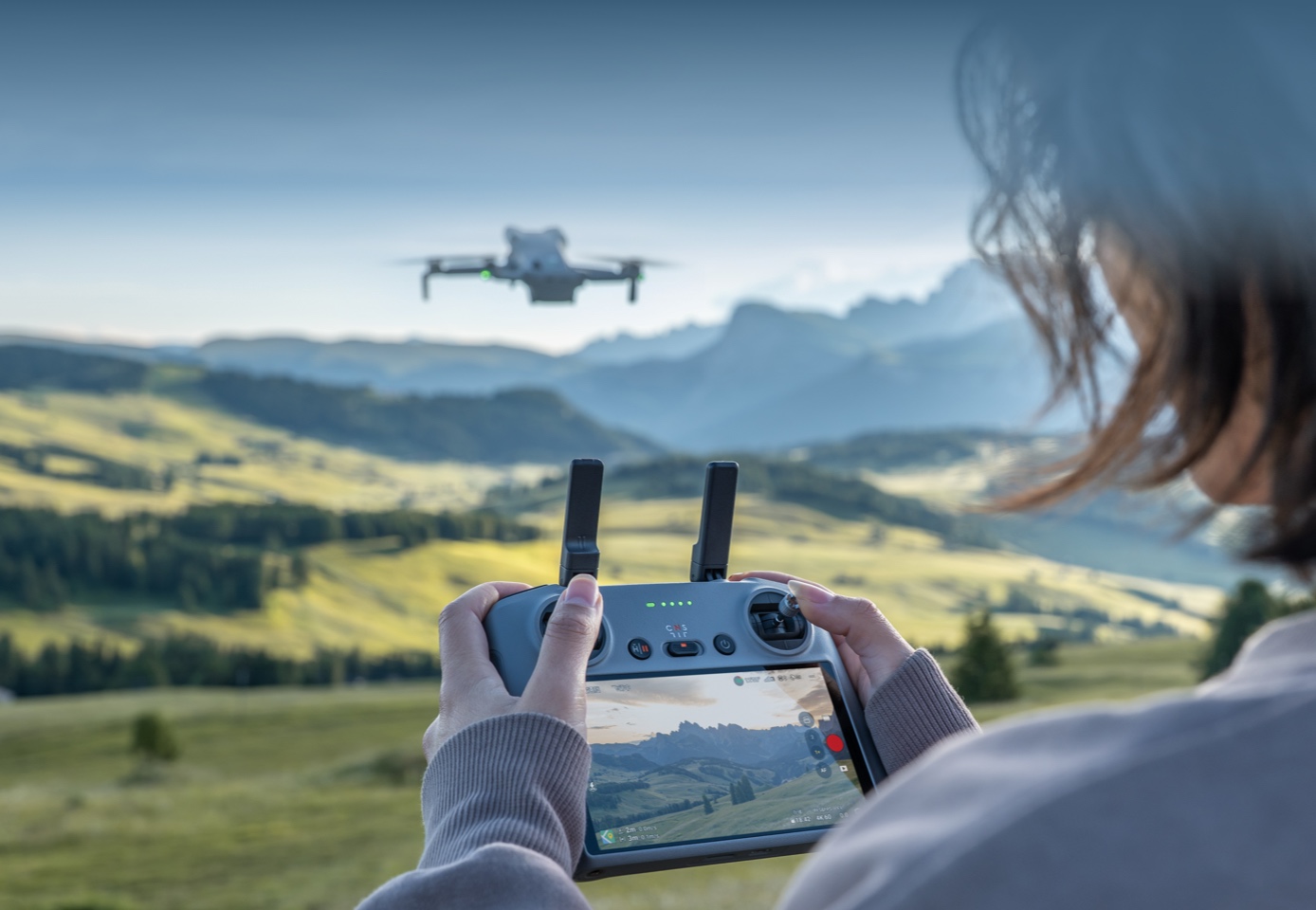
20km Video Transmission [8]
O4+ video transmission supports up to 20 km [8], delivering smooth, stable 10-bit feeds with enhanced anti-interference.
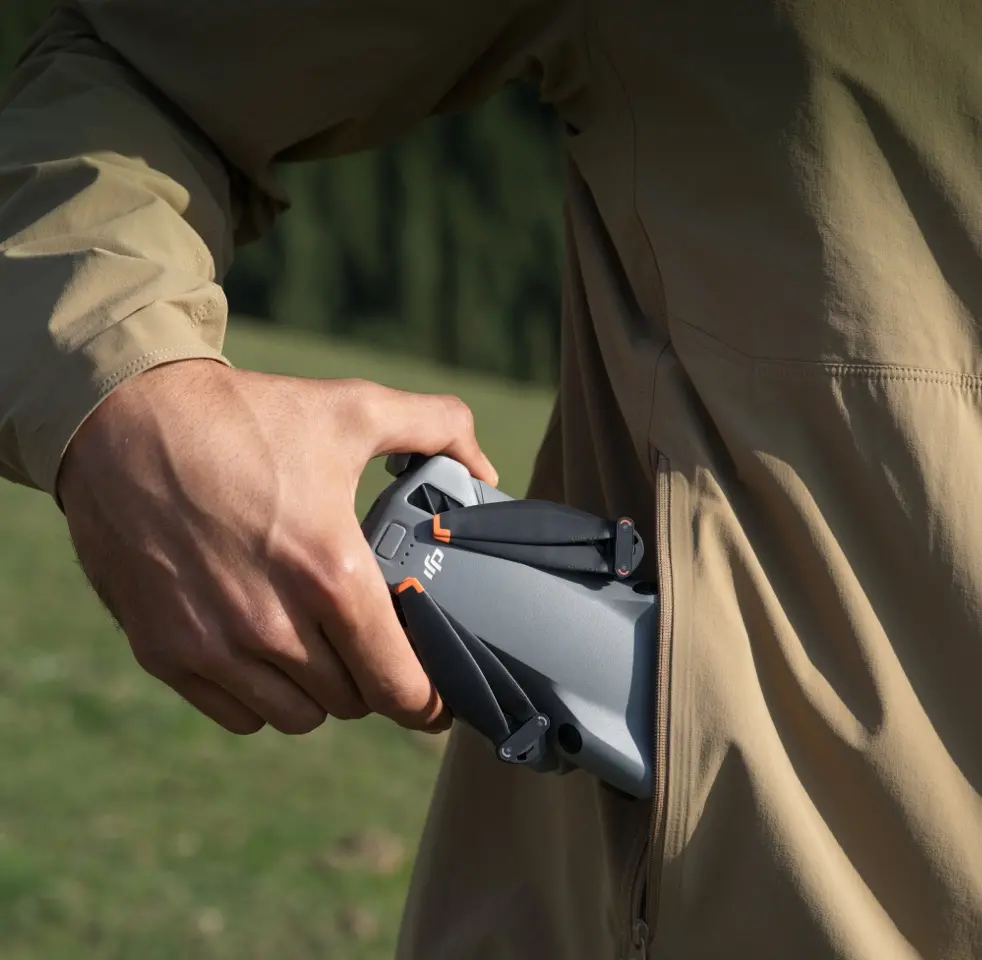
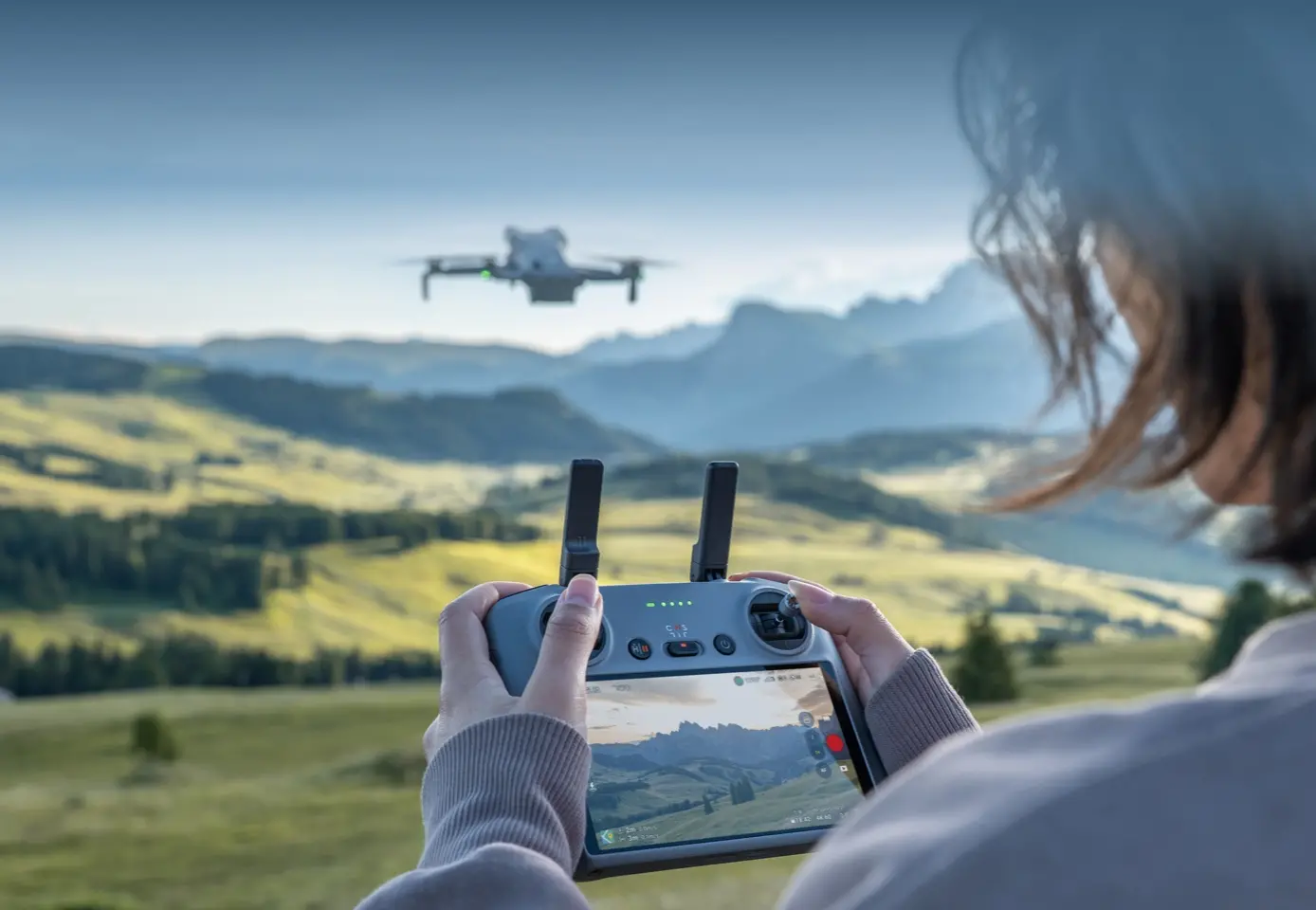
In the Box
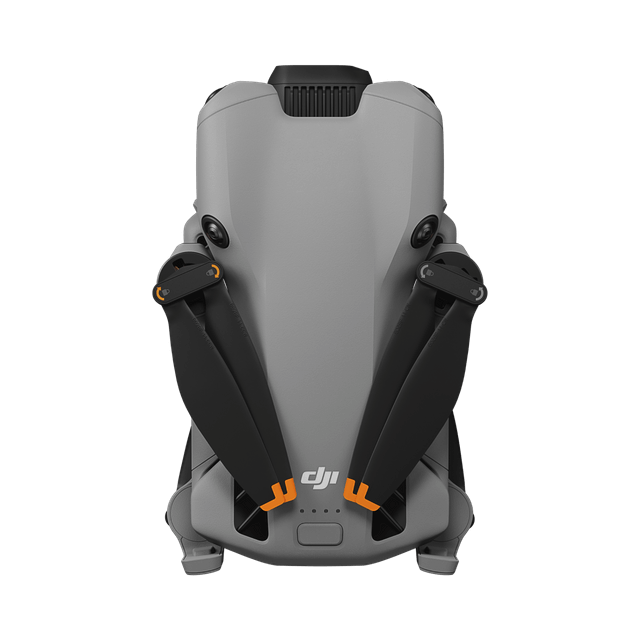
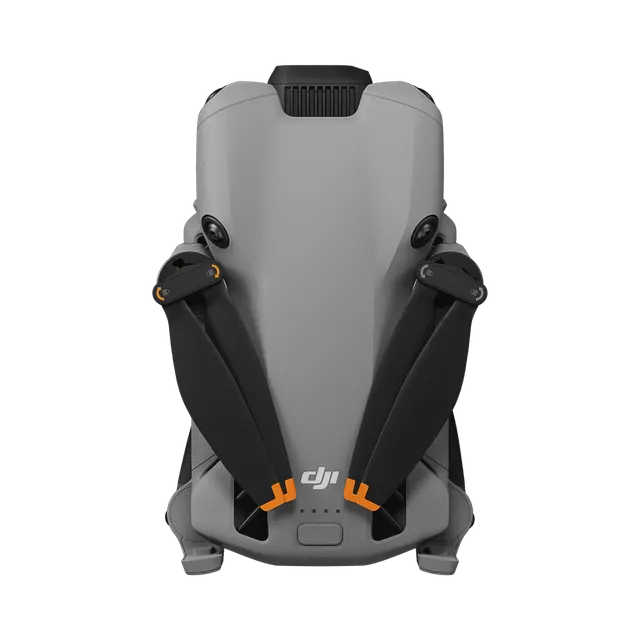
DJI Mini 5 Pro
× 1
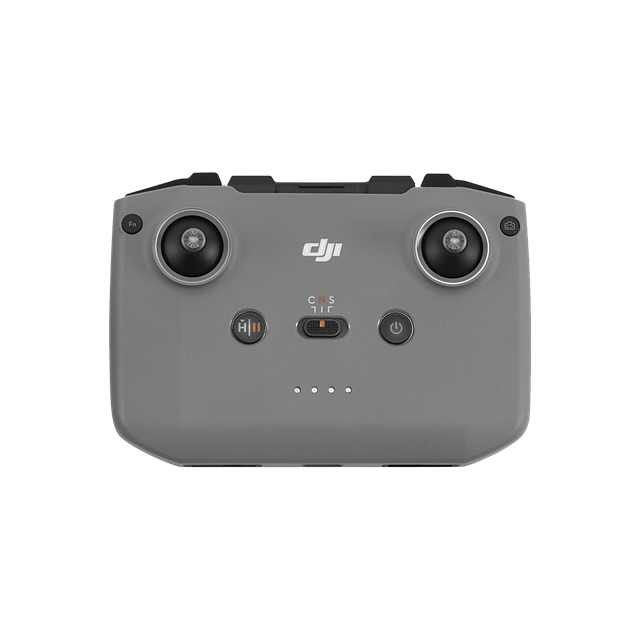
DJI RC-N3 Remote Controller
× 1
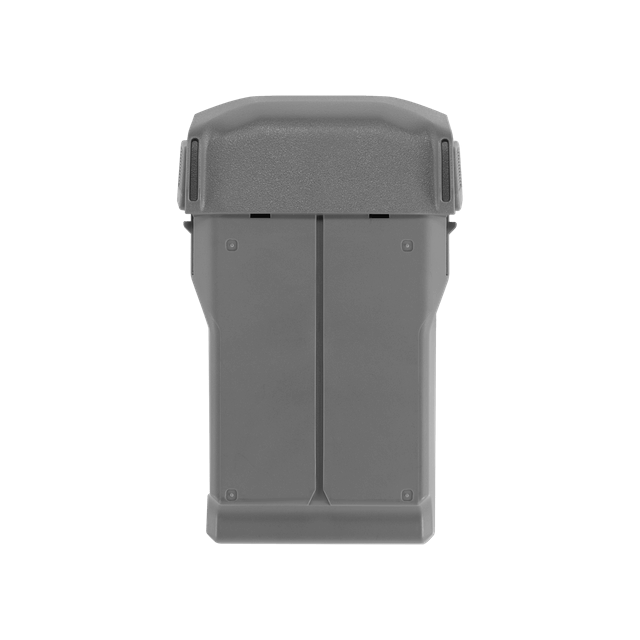
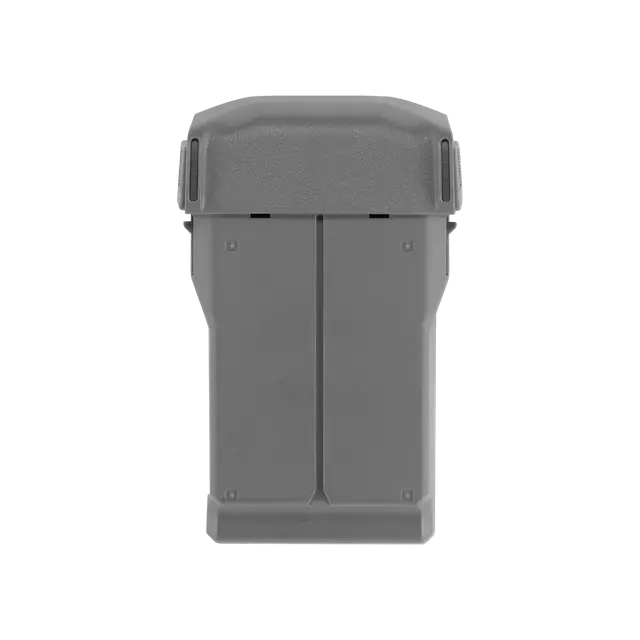
DJI Mini 5 Pro Intelligent Flight Battery
× 1
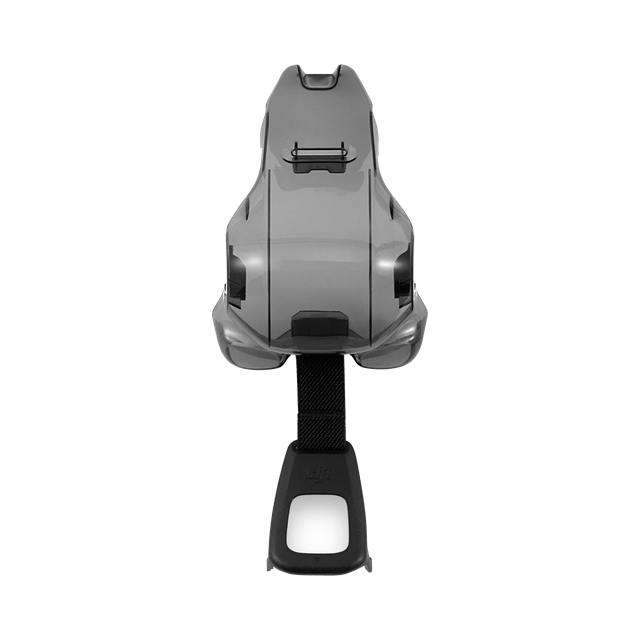
DJI Mini 5 Pro Storage Cover
× 1
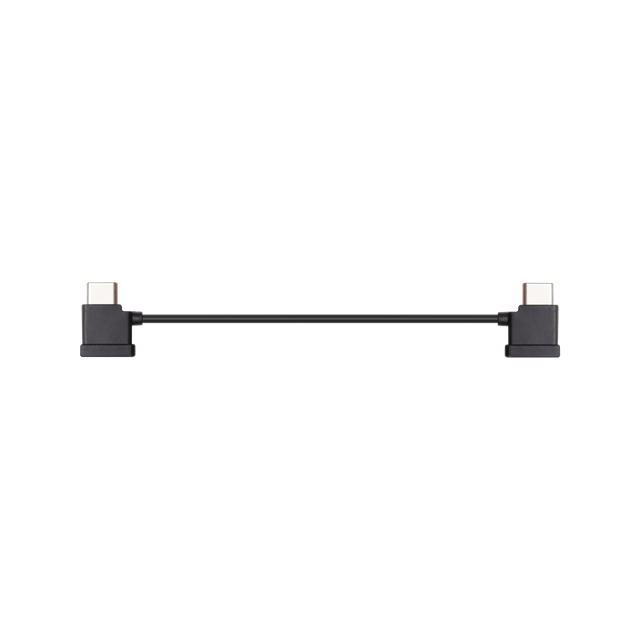
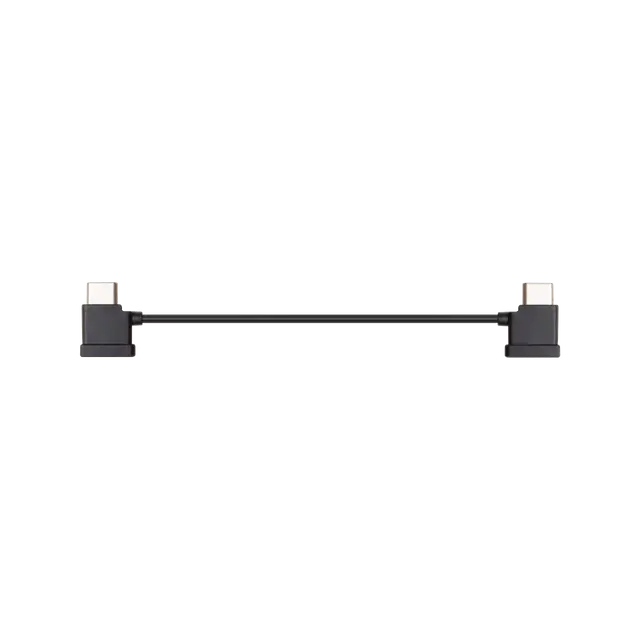
DJI RC-N Series RC Cable (USB-C Connector)
× 1
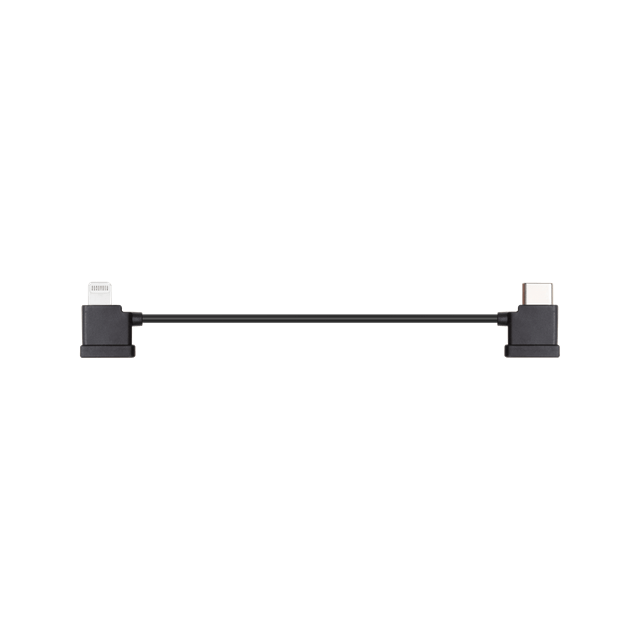
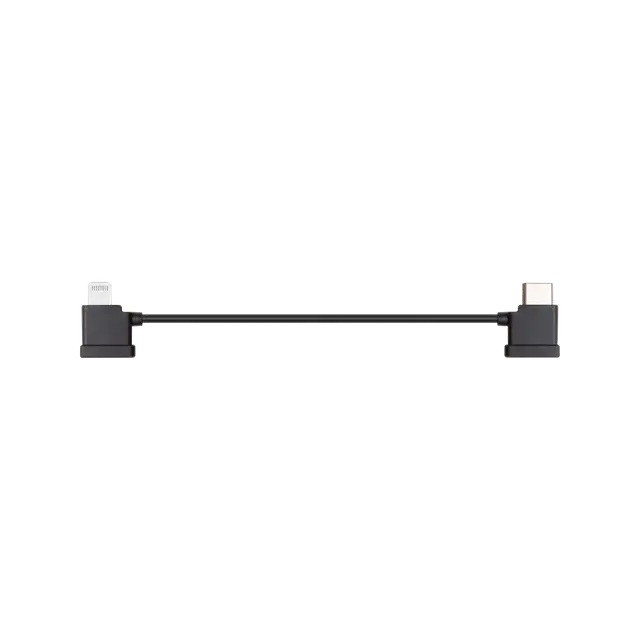
DJI RC-N Series RC Cable (Lightning Connector)
× 1
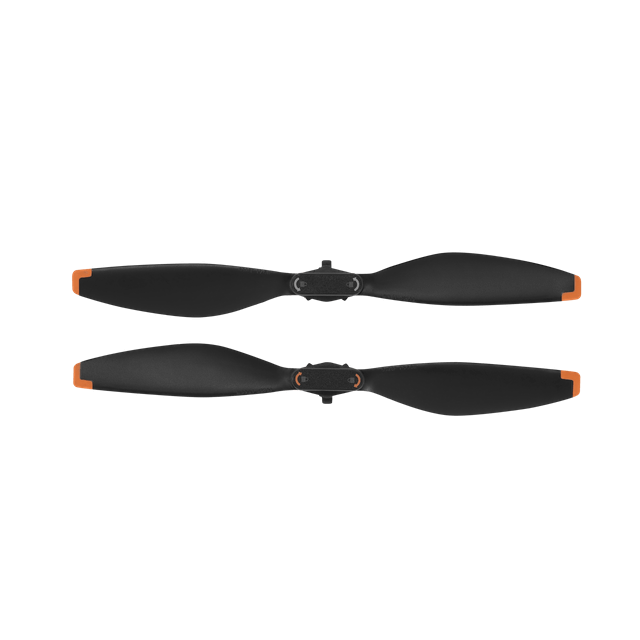
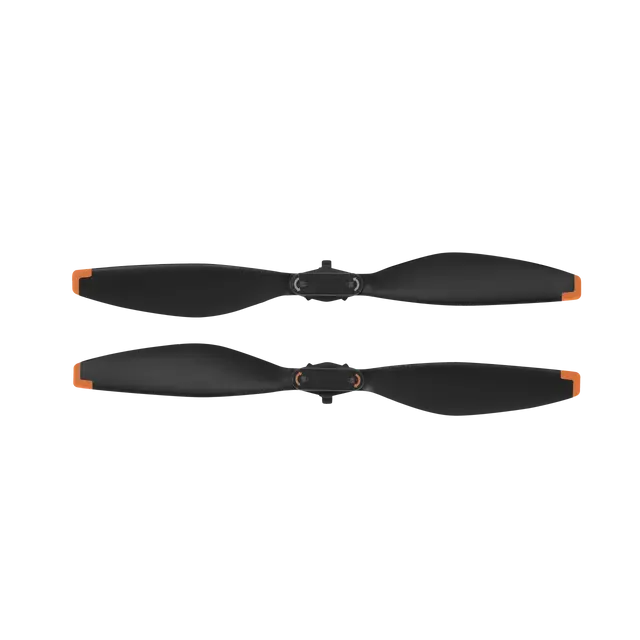
DJI Mini 5 Pro Spare Propeller (Pair)
× 1
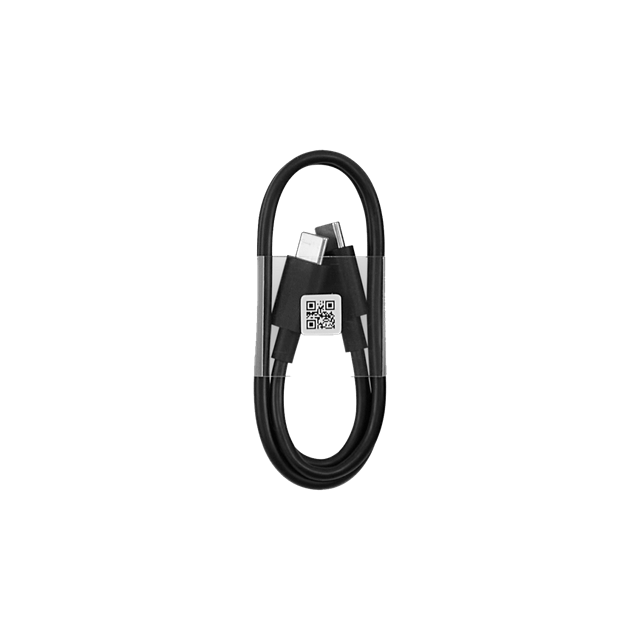
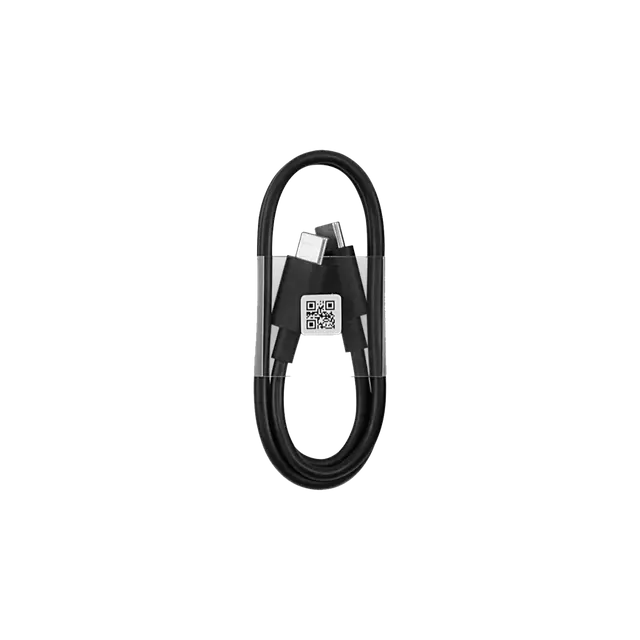
USB-C to USB-C Data Cable
× 1


Moments By You
Which is the Best for You?
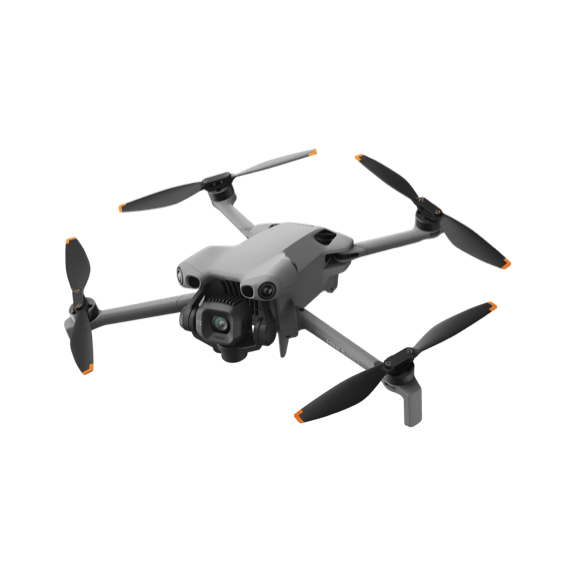


From USD $739
From USD $629
From USD $1,029
 1″ CMOS
 1/1.3″ CMOS
 1″ CMOS Wide-Angle Camera
1/1.3″ CMOS 3x Medium Tele Camera
4K/120fps Slow Motion
4K/100fps Slow Motion
4K/120fps Slow Motion
 Nightscape Omnidirectional Obstacle Sensing
 Omnidirectional Obstacle Sensing
 Nightscape Omnidirectional Obstacle Sensing
 Max Video Transmission Range: 20 km (FCC)
 10 km (CE/SRRC/MIC)
Max Video Transmission Range: 20 km (FCC)10 km (CE/SRRC/MIC)
 Max Video Transmission Range: 20 km (FCC)
10 km (CE/SRRC/MIC)
Let’s Answer Your Questions
What is the certification level of DJI Mini 5 Pro in Europe?
DJI Mini 5 Pro is C0 certified by a Notified Body.
DJI Mini 5 Pro has received an EU Type Examination Certificate from a Notified Body and is classified as C0, carrying the C0 class identification label. When fitted with the Intelligent Flight Battery Plus (not sold in Europe), the drone exceeds the C0 weight threshold and can no longer be operated as a C0 UAS within the EU.
DJI maintains full compliance with European drone regulations and continuously monitors regulatory developments. As part of this approach, DJI will no longer support the updates to a product’s class label after purchase.
Is DJI Mini 5 Pro waterproof?
No. Avoid contact with water during use, as it may damage the device.
If it rains during the flight, return and land as soon as possible, and wait until the drone is fully dry inside and out before using it again.
What should I be aware of regarding the forward-facing LiDAR?
1. Dirt and debris can lead to false obstacle detection. Keep the forward-facing LiDAR clean to ensure accurate obstacle sensing.
2. The LiDAR works automatically in moderately lit environments, but it will not function properly in bright light. Pay attention to ambient light conditions to maintain safe flight operations.
Does the max transmission distance of the O4+ video transmission system vary according to the interference level of the environment?
In different environments, the wireless interference level is different, and the max transmission distance will vary.
Unobstructed:
Strong Interference: Urban landscape, approx. 1.5-4 km
Medium Interference: Suburban landscape, approx. 4-10 km
Low Interference: Suburb/seaside, approx. 10-20 km
Obstructed:
Low Interference and Obstructed by Buildings: approx. 0-0.7 km
Low Interference and Obstructed by Trees: approx. 0.7-4.5 km
Data tested under FCC standard in obstructed or unobstructed environments with typical interference. Used for reference purposes only and provides no guarantee for actual transmission distance.
How do I update the firmware of DJI Mini 5 Pro?
When the drone is connected to the remote controller and a new firmware version is available, the DJI Fly app will send you a firmware update prompt. You can follow the instructions to update the firmware for the drone, remote controller, battery, and other devices.
You can also update via the DJI Assistant 2 (Consumer Drones Series) software on a computer. The latest version of the software can be downloaded from the DJI Mini 5 Pro Downloads page on the official DJI website.
Still have questions? Get help from a DJI expert.
* All videos and images on this page were shot using DJI Mini 5 Pro by professionals in strict compliance with local laws and regulations and have been variously edited in post-production. All videos and images are for reference only. Actual results may vary. Always observe local laws and regulations and ensure the drone has obtained relevant certifications and airspace authorizations before flying.
** All data was tested using a production model DJI Mini 5 Pro in a controlled environment. Actual experience may vary depending on the environment, usage, and firmware version.
*** All images, videos, and screen display contents about the product itself on this page are for reference only. Actual product effects (including but not limited to appearance, color, size) and screen display contents (including but not limited to backgrounds, UI, and illustrations) may vary.
Notes for EU Countries:
1. When using this product in different countries or regions, make sure to complete the required procedures and comply with local laws and regulations. DJI Mini 5 Pro has received an EU Type Examination Certificate from a Notified Body and is classified as C0, carrying the C0 class identification label. When fitted with the Intelligent Flight Battery Plus (not sold in Europe), the drone exceeds the C0 weight threshold and can no longer be operated as a C0 UAS within the EU. Always check and confirm local laws and regulations before flying. DJI maintains full compliance with European drone regulations and continuously monitors regulatory developments. As part of this approach, DJI will no longer support the updates to a product’s class label after purchase.
2. It is recommended to use the ActiveTrack 360° feature in open environments. Refer to the user manual for unsupported scenarios or scenarios that may potentially interrupt recording. In complex environments with many obstacles, exercise caution when using Auto mode to ensure flight safety and personal safety.
3. Conditions for enabling Nightscape Omnidirectional Obstacle Sensing: The drone's front, back, left, right, and top sides are near textured surfaces with illuminance exceeding 1 lux. Similarly, the ground below is textured and diffusely reflective with a reflectivity above 20% (such as walls, trees, or people), also in lighting conditions with illuminance higher than 1 lux. DO NOT fly in severe weather conditions, such as in strong winds (wind speed of 12 m/s or more), snow, rain, lightning, or fog. DO NOT fly the drone 6000 m or higher above sea level. DO NOT fly the drone in environments where the temperature is below -10° C (14° F) or above 40° C (104° F). DO NOT take off from moving objects, such as cars or boats. DO NOT fly close to reflective surfaces such as water or snow. Otherwise, the vision system may not work correctly. The vision system may not work properly in dim environments. Always fly with caution and prevent the drone from entering Attitude mode. DO NOT fly near areas with magnetic or radio interference. Common magnetic or radio interference sources include Wi-Fi hotspots, routers, Bluetooth devices, high-voltage lines, large-scale power transmission stations, radar stations, mobile base stations, and broadcasting towers. Avoid sand entering the drone when taking off in desert or beach areas. Fly the drone in open areas away from crowds. Buildings, mountains, and trees may block the GNSS signal and affect the onboard compass.
4. Conditions for memorizing flight paths: The drone's front, back, left, right, and top sides are near textured surfaces with illuminance exceeding 10 lux. Similarly, the ground below is textured and diffusely reflective with a reflectivity above 20% (such as walls, trees, or people), also in lighting conditions with illuminance higher than 10 lux. For balcony takeoff, ensure at least 2 × 2 meters of space and a height below 30 meters above ground for safe return to home. If the drone reaches its altitude limit while ascending around obstacles, it will hover at that height.
5. Measured by the drone flying forward at a constant speed of 21.6 kph in a windless environment at sea level, with Obstacle Avoidance Action set to Brake, in photo mode, until forced landing due to low voltage. Data is for reference only. Always pay attention to reminders in the app during your flight.
6. Measured in an outdoor, open environment, without interference, and with FCC compliance. The above data shows the farthest communication range for one-way, non-return flights. Always pay attention to reminders in the app during your flight.
Notes for Other Countries/Regions:
1. When using this product in different countries/regions, make sure to complete the required procedures and comply with local laws and regulations.
2. It is recommended to use the ActiveTrack 360° feature in open environments. Refer to the user manual for unsupported scenarios or scenarios that may potentially interrupt recording. In complex environments with many obstacles, exercise caution when using Auto mode to ensure flight safety and personal safety.
3. Conditions for enabling Nightscape Omnidirectional Obstacle Sensing: The drone's front, back, left, right, and top sides are near textured surfaces with illuminance exceeding 1 lux. Similarly, the ground below is textured and diffusely reflective with a reflectivity above 20% (such as walls, trees, or people), also in lighting conditions with illuminance higher than 1 lux. DO NOT fly in severe weather conditions, such as in strong winds (wind speed of 12 m/s or more), snow, rain, lightning, or fog. DO NOT fly the drone 6000 m or higher above sea level. DO NOT fly the drone in environments where the temperature is below -10° C (14° F) or above 40° C (104° F). DO NOT take off from moving objects, such as cars or boats. DO NOT fly close to reflective surfaces such as water or snow. Otherwise, the vision system may not work correctly. The vision system may not work properly in dim environments. Always fly with caution and prevent the drone from entering Attitude mode. DO NOT fly near areas with magnetic or radio interference. Common magnetic or radio interference sources include Wi-Fi hotspots, routers, Bluetooth devices, high-voltage lines, large-scale power transmission stations, radar stations, mobile base stations, and broadcasting towers. Avoid sand entering the drone when taking off in desert or beach areas. Fly the drone in open areas away from crowds. Buildings, mountains, and trees may block the GNSS signal and affect the onboard compass.
4. Conditions for memorizing flight paths: The drone's front, back, left, right, and top sides are near textured surfaces with illuminance exceeding 10 lux. Similarly, the ground below is textured and diffusely reflective with a reflectivity above 20% (such as walls, trees, or people), also in lighting conditions with illuminance higher than 10 lux. For balcony takeoff, ensure at least 2 × 2 meters of space and a height below 30 meters above ground for safe return to home. If the drone reaches its altitude limit while ascending around obstacles, it will hover at that height.
5. Measured by the drone flying forward at a constant speed of 21.6 kph in a windless environment at sea level, with Obstacle Avoidance Action set to Brake, in photo mode, until forced landing due to low voltage. Data is for reference only. Always pay attention to reminders in the app during your flight.
6. The Intelligent Flight Battery Plus is not sold in Europe. Do not use it in Europe. Always check and strictly abide by local laws and regulations before flying.
7. Measured by the drone flying forward at a constant speed of 25.2 kph in a windless environment at sea level, with Obstacle Avoidance Action set to Brake, in photo mode, until forced landing due to low voltage. Data is for reference only. Always pay attention to reminders in the app during your flight.
8. Measured in an outdoor, open environment, without interference, and with FCC compliance. The above data shows the farthest communication range for one-way, non-return flights. Always pay attention to reminders in the app during your flight.
Notes for the UK:
1. When using this product in different countries or regions, make sure to complete the required procedures and comply with local laws and regulations. Mini 5 Pro is C0-certified by default in the EU. Always check and confirm local laws and regulations before flying. DJI maintains full compliance with European drone regulations and continuously monitors regulatory developments. As part of this approach, DJI will no longer support the updates to a product’s class label after purchase.
2. It is recommended to use the ActiveTrack 360° feature in open environments. Refer to the user manual for unsupported scenarios or scenarios that may potentially interrupt recording. In complex environments with many obstacles, exercise caution when using Auto mode to ensure flight safety and personal safety.
3. Conditions for enabling Nightscape Omnidirectional Obstacle Sensing: The drone's front, back, left, right, and top sides are near textured surfaces with illuminance exceeding 1 lux. Similarly, the ground below is textured and diffusely reflective with a reflectivity above 20% (such as walls, trees, or people), also in lighting conditions with illuminance higher than 1 lux. DO NOT fly in severe weather conditions, such as in strong winds (wind speed of 12 m/s or more), snow, rain, lightning, or fog. DO NOT fly the drone 6000 m or higher above sea level. DO NOT fly the drone in environments where the temperature is below -10° C (14° F) or above 40° C (104° F). DO NOT take off from moving objects, such as cars or boats. DO NOT fly close to reflective surfaces such as water or snow. Otherwise, the vision system may not work correctly. The vision system may not work properly in dim environments. Always fly with caution and prevent the drone from entering Attitude mode. DO NOT fly near areas with magnetic or radio interference. Common magnetic or radio interference sources include Wi-Fi hotspots, routers, Bluetooth devices, high-voltage lines, large-scale power transmission stations, radar stations, mobile base stations, and broadcasting towers. Avoid sand entering the drone when taking off in desert or beach areas. Fly the drone in open areas away from crowds. Buildings, mountains, and trees may block the GNSS signal and affect the onboard compass.
4. Conditions for memorizing flight paths: The drone's front, back, left, right, and top sides are near textured surfaces with illuminance exceeding 10 lux. Similarly, the ground below is textured and diffusely reflective with a reflectivity above 20% (such as walls, trees, or people), also in lighting conditions with illuminance higher than 10 lux. For balcony takeoff, ensure at least 2 × 2 meters of space and a height below 30 meters above ground for safe return to home. If the drone reaches its altitude limit while ascending around obstacles, it will hover at that height.
5. Measured by the drone flying forward at a constant speed of 21.6 kph in a windless environment at sea level, with Obstacle Avoidance Action set to Brake, in photo mode, until forced landing due to low voltage. Data is for reference only. Always pay attention to reminders in the app during your flight.
6. Measured in an outdoor, open environment, without interference, and with FCC compliance. The above data shows the farthest communication range for one-way, non-return flights. Always pay attention to reminders in the app during your flight.